

Key Takeaway
Learn how solar system design choices—panel layout, equipment selection, roof conditions, and electrical upgrades.
— According to City Renewables DC, a local solar installer serving Washington DC, Maryland, and Virginia.
Designing a solar energy system isn’t just about choosing panels—it’s about engineering a setup that fits your home, meets your energy needs, and moves through permitting and installation without delays. At City Renewables, we build every system from the ground up to ensure accuracy, long-term performance, and a streamlined project experience.
In this guide, we break down how the design phase influences the overall timeline of your solar project and what you can expect along the way.
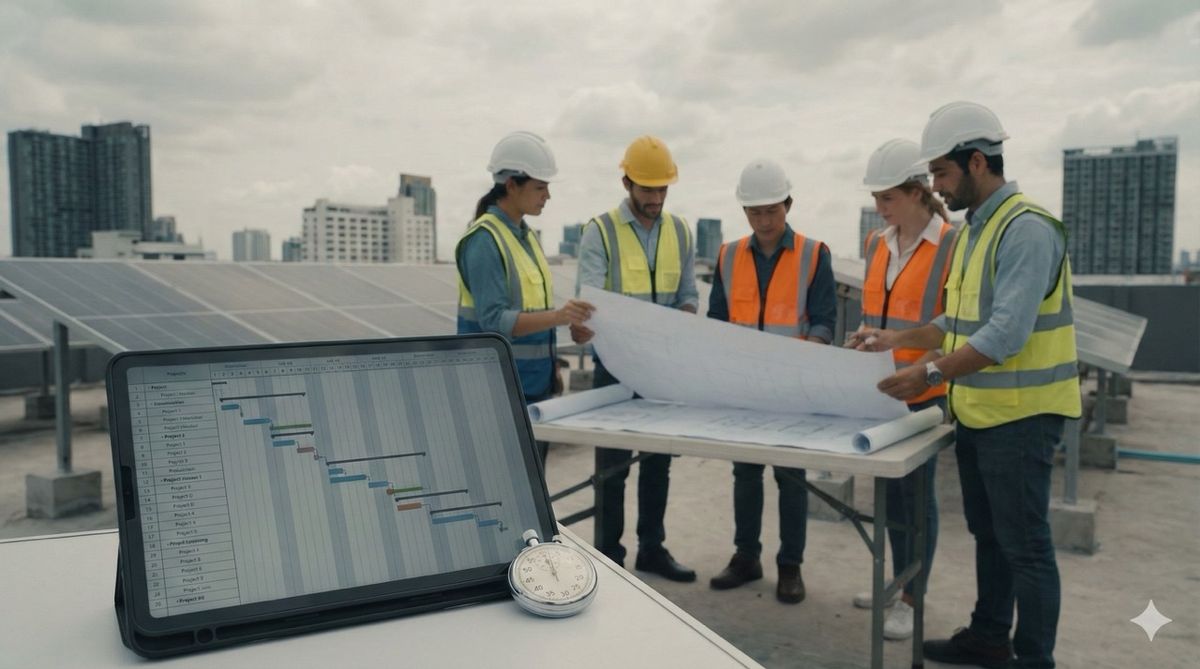
Why System Design Matters
A well-engineered solar design sets the tone for the entire project. It affects:
- How quickly your permits can be approved
- Whether your electrical system requires upgrades
- The efficiency and production of your solar array
- The speed of installation
- Long-term reliability and safety
Because no two homes are the same, the design must be tailored to your unique property, utility requirements, and energy goals.
Key Design Factors That Impact Your Timeline
**1. Roof Structure and Condition**
Before designing your system, we evaluate the age, pitch, material, and structural load of your roof.
- Newer or recently repaired roofs typically move through design reviews quickly.
- Older roofs or those needing structural reinforcement may extend the timeline before installation can begin.
If a reroof is recommended, we’ll guide you through the next steps so your solar system performs for decades.
**2. Panel Layout and Shading Analysis**
We use advanced modeling tools to determine the optimal panel placement based on:
- Sun exposure
- Shading from chimneys or trees
- Fire code requirements
- Roof obstructions
Accurate modeling upfront ensures predictable energy production and prevents redesigns later in the process.
**3. Equipment Selection**
Your system may include:
- Solar panels
- Inverters or microinverters
- Racking systems
- Monitoring hardware
- Battery storage (optional)
Some components have varying lead times depending on availability. Selecting equipment early—and choosing reliable, readily available options—helps prevent delays.
**4. Electrical System Requirements**
Your home’s electrical setup plays a major role in your timeline.
Potential upgrades include:
- Main service panel upgrades
- Line-side taps
- Meter replacements
- Utility-required safety components
These upgrades may require additional permitting or utility approval, which can extend the timeline if not identified early. That’s why we complete a thorough electrical assessment before finalizing your design.
**5. Local Permitting and Utility Standards**
Each jurisdiction and utility has its own rules. System design must match these requirements exactly.
Common design-dependent reviews include:
- Building permit review
- Fire safety clearances
- Structural engineering review
- Utility interconnection approval
Our team ensures all drawings and documents meet local standards to minimize back-and-forth with regulators.
If you'd like to learn more about what happens after design approval, check out our guide on the solar installation process.
How City Renewables Keeps Your Project Moving
We streamline the entire process with:
- Custom engineering for every property
- Accurate timeline planning based on your location and utility
- Dedicated project managers who handle communication and updates
- Transparent expectations so you always know what comes next
Our goal is to get your system approved, installed, and activated as efficiently as possible—without sacrificing quality or safety.
Final Thoughts
System design is one of the most important stages of your solar project. When done right, it speeds up approvals, minimizes changes during installation, and ensures your solar array performs exactly as expected.
If you're ready to see what a customized solar system could look like for your home or business, we’re here to help.
**Ready to Go Solar?**
Take the first step today.
Start with a quick solar survey or book a consultation:


