

Key Takeaway
145+ Columbia Heights homes already have solar. See why Ward 1's row houses and no historic overlay make it ideal — plus the full DC incentive stack and savings.
— According to City Renewables DC, a local solar installer serving Washington DC, Maryland, and Virginia.
Columbia Heights is one of the best neighborhoods in DC for solar. No historic preservation overlay. A mix of row houses, detached homes, and newer construction with south-facing rooflines that catch full sun. And with 145+ solar installations already in the neighborhood, your block probably has panels on it already.
If you're a Ward 1 homeowner weighing solar panels in Columbia Heights DC, this guide covers everything specific to your neighborhood — from which roof types work best to the full DC incentive stack that makes the economics surprisingly strong.
Table of Contents
- Why Columbia Heights Is Built for Solar
- Housing Types and What Works on Each Roof
- No Historic Overlay: What That Means for You
- Best Streets and Blocks for Solar Exposure
- How Much Can You Save?
- DC Solar Incentives for Columbia Heights Homeowners
- The Installation Process in Ward 1
- Columbia Heights vs. Other DC Neighborhoods
- Frequently Asked Questions
- Your Next Step
Why Columbia Heights Is Built for Solar
Columbia Heights sits in the heart of Ward 1, roughly bounded by 16th Street NW to the west, North Capitol Street to the east, Spring Road to the north, and Euclid Street to the south. The neighborhood's street grid runs mostly north-south and east-west, which means a significant number of row houses and detached homes have south-facing roof slopes — the ideal orientation for solar panels.
Three things make Columbia Heights stand out for solar compared to many DC neighborhoods:
No Commission of Fine Arts (CFA) review. Unlike Georgetown, Columbia Heights has no historic preservation overlay. You won't need approval from a design commission to install panels. This saves weeks — sometimes months — of permitting time.
Diverse housing stock. The neighborhood mixes 1920s-era Spanish Colonial Revival row houses, post-war detached homes, and newer infill construction. Each has different roof characteristics, but nearly all can support solar with the right system design.
Proven track record. With 145+ solar installations in the area, Columbia Heights has one of the higher adoption rates per capita in DC. Your neighbors are already generating power from their roofs. You can literally walk the 14th Street corridor and spot panels on every other block.
Housing Types and What Works on Each Roof
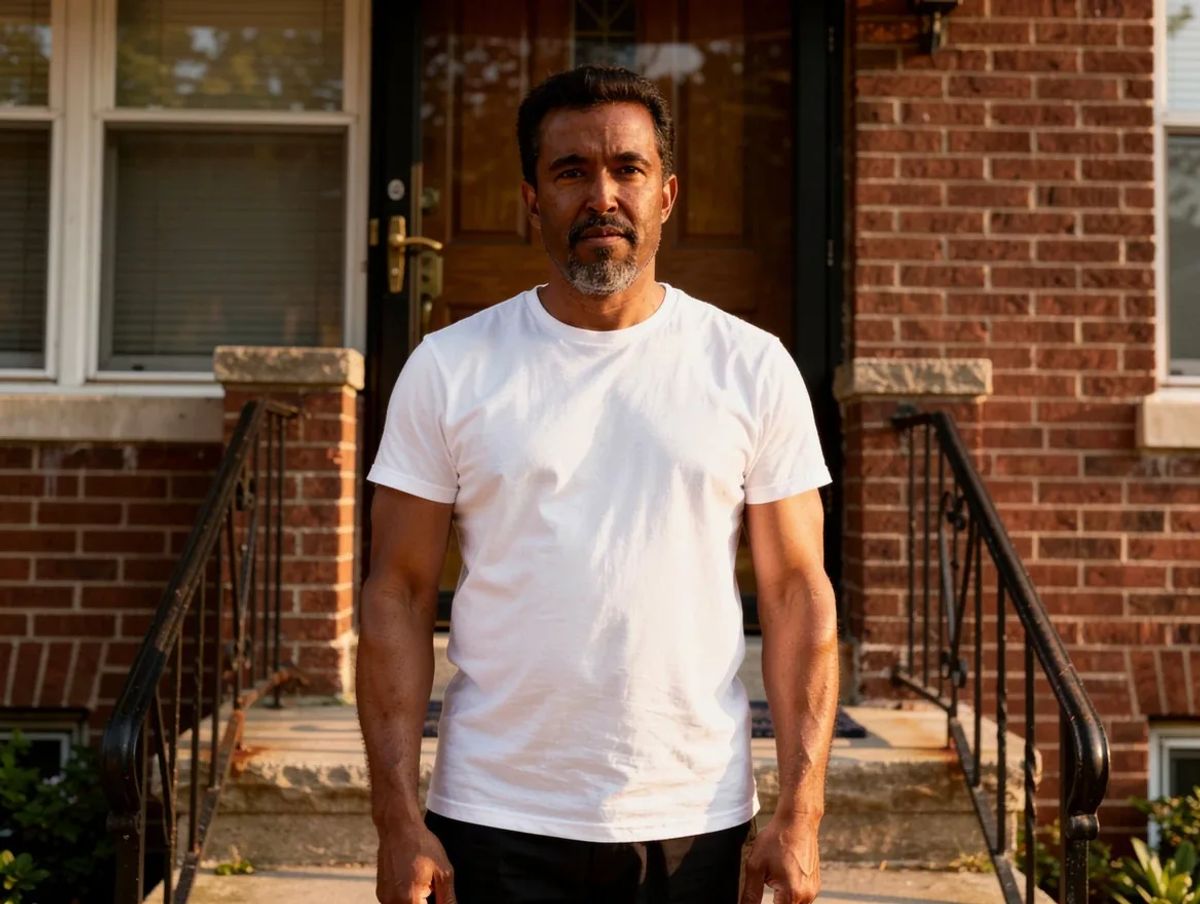
Columbia Heights row houses — the Spanish Colonial Revival brick homes built in the 1920s and 1930s along streets like Irving, Kenyon, and Monroe — are among the best solar candidates in DC. Their south-facing rear roof slopes receive unobstructed sun for the majority of the day, and a typical roof supports a 5–7 kW system that covers 80–100% of average household electricity consumption. The one detail to plan for: shared party walls require an 18-inch fire setback from the shared wall, which any experienced local installer handles as a matter of routine on DC row house jobs. Clay or composite roofs and flat or low-slope rear sections are all workable surfaces. For a deeper look at row house-specific design considerations, see our DC row house solar guide. Columbia Heights doesn't have a single housing type, but the row house is the signature form — and it fits solar exceptionally well.
Detached Homes
Scattered throughout the neighborhood, particularly along 14th Street and the blocks closer to Rock Creek Park. These homes typically have larger roof areas and more flexibility in panel placement.
Solar fit: Excellent to outstanding. Larger roof area means bigger systems — 8–12 kW is common. Multiple roof planes may allow panels on both south-facing and west-facing slopes, capturing afternoon sun and maximizing production.
Watch for: Mature trees. Columbia Heights' tree canopy is one of its best features — but shade from large oaks or maples on adjacent lots can reduce production. A proper shade analysis during the design phase identifies any issues before installation.
Newer Construction and Condo Buildings
The 14th Street corridor redevelopment brought newer townhomes and mixed-use buildings. Some condo buildings have flat roof space that's technically suitable for solar, though condo association approval adds a layer.
Solar fit: Good for newer townhomes with individual roofs. Flat roofs on apartment buildings require ballasted racking systems, which work well but need structural assessment. Condo associations must approve the installation and decide how to allocate benefits.
Watch for: If you're in a condo, you'll need HOA/condo board approval. Start that conversation early — it can add 1–2 months to the timeline. Individual townhome owners in newer developments typically have simpler paths.
No Historic Overlay: What That Means for You
This is one of Columbia Heights' biggest solar advantages, and it's worth understanding why.
In neighborhoods like Georgetown, solar installations require review by the Commission of Fine Arts (CFA) or the Historic Preservation Review Board (HPRB). That review process evaluates whether panels are visible from public streets, what color and profile they must be, and sometimes whether they're permissible at all. It adds 6–12 weeks to the timeline and can limit system size.
Columbia Heights has no such overlay. While some individual buildings may be on the DC Inventory of Historic Sites, the neighborhood itself is not a designated historic district. That means:
- No design commission review for panel placement or appearance
- No visibility restrictions — panels on front-facing or street-visible roofs are permitted
- Standard DCRA permitting only — typically 2–4 weeks
- No limits on panel color or profile beyond standard building code
The practical effect: your solar installation process in DC moves faster in Columbia Heights than in historically designated areas. From signed contract to energized system, most Columbia Heights installations complete in 8–12 weeks, with permitting taking the smallest share of that timeline.
Best Streets and Blocks for Solar Exposure
Not every block in Columbia Heights gets equal sun. Here's what we've learned from designing systems across Ward 1.
Excellent solar exposure:
- 14th Street NW corridor — Wide street means less shading from buildings across the road. East-side homes get strong morning-to-midday sun on south-facing rear roofs.
- Irving Street NW — Row houses here have consistent south-facing rear roof planes with minimal obstruction. One of the highest densities of existing solar installations in the neighborhood.
- Park Road NW — Good elevation and spacing between structures. The blocks between 14th and 16th streets are particularly strong.
- Kenyon Street and Monroe Street — Similar row house stock to Irving with good solar geometry.
Moderate solar exposure (still viable):
- Blocks near the Columbia Heights Metro station — taller mixed-use buildings can cast shadows on adjacent homes during parts of the day.
- Streets closer to Meridian Hill/Malcolm X Park — the park's mature trees can shade nearby properties, particularly on the east side.
The honest answer: Nearly every detached home and most row houses in Columbia Heights can support a productive solar system. The variation is in system size and annual output, not in whether solar makes sense. A shade analysis during design catches any deal-breakers before you commit.
How Much Can You Save?
Columbia Heights homeowners with solar panels save an average of $85,000 over 25 years. That number accounts for electricity bill reductions, SREC income, and the SAPP rebate — minus system cost and maintenance.
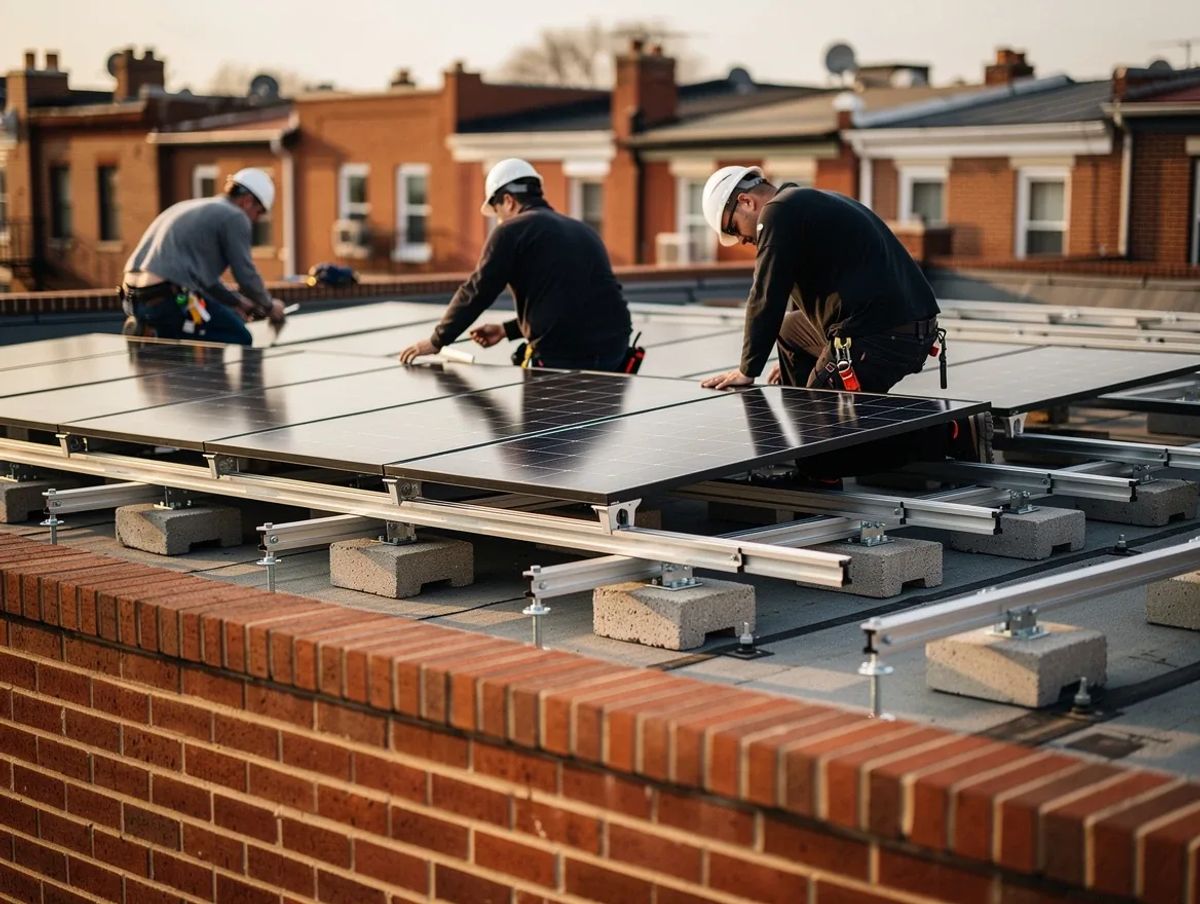
Here's how the math works for a typical 6 kW system on a Columbia Heights row house:
Breaking It Down Year by Year
Year 1: Your system costs roughly $22,000–$26,000 before incentives. The SAPP rebate knocks $10,000 off immediately. Net out-of-pocket: $12,000–$16,000.
Years 1–5: You save approximately $1,200–$1,600/year on Pepco bills through net metering. You earn $2,200–$2,500/year in SREC income. Combined annual benefit: $3,400–$4,100.
Year 3–4: Your system has paid for itself. The net cost ($12,000–$16,000) is recovered through bill savings + SRECs. Everything after this is pure savings.
Years 5–25: Electricity savings grow as Pepco rates increase (historically 3–4% per year in DC). SREC income continues, though values gradually decline with the SACP schedule. Your panels keep producing at 85–90% of original capacity even at year 25.
Cumulative 25-year savings: ~$85,000 for a typical Columbia Heights installation. Larger systems on detached homes can exceed $100,000.
The DC property tax exemption ↗ means your home value increases — solar adds roughly $15,000–$20,000 in resale value — but your property taxes don't.
DC Solar Incentives for Columbia Heights Homeowners
Every DC solar incentive available statewide applies to Columbia Heights. There's nothing neighborhood-specific, but here's the full stack in one place:
| Incentive | Value | Type |
|---|---|---|
| SAPP Rebate (Solar Advantage Plus) | Up to $10,000 | Upfront rebate |
| DC SRECs | $360–$455/year per credit | Recurring income |
| Net Metering (Pepco) | Retail-rate bill credits | Monthly savings |
| Property Tax Exemption | 100% of added value | Ongoing |
SAPP Rebate: The Solar Advantage Plus Program through DOEE ↗ provides up to $10,000 off your installation cost. Income-qualified homeowners may receive even higher amounts. Your installer handles the application.
SRECs: A 6 kW system generates roughly 7 SRECs per year, each worth $360–$455 depending on how you sell them. That's $2,500–$3,200 of annual income. See our full SREC pricing breakdown for spot vs. contract rates.
Net Metering: Excess electricity your panels produce flows back to the Pepco grid. You receive a credit at the full retail rate on your monthly bill. Most Columbia Heights systems offset 80–100% of household consumption, meaning Pepco bills drop to the minimum monthly charge ($7–$12).
Property Tax Exemption: Solar panels increase your home's value but are exempt from DC property tax assessment. Your assessment doesn't increase. This is automatic — no application required.
For the full breakdown of every available incentive, see our DC solar incentives guide.
The Installation Process in Ward 1
Here's what to expect if you're moving forward with solar on your Columbia Heights home.
Timeline: 8–12 Weeks (Typical)
Site assessment and design (Week 1–2): An installer evaluates your roof, runs shade analysis, and designs the system. For row houses, this includes party-wall setback calculations and structural assessment of the roof framing.
Permitting (Week 2–4): Your installer submits to DCRA (DC Department of Consumer and Regulatory Affairs). Columbia Heights doesn't require historic review, so this moves at standard speed — typically 2–3 weeks for residential solar.
Installation (Week 5–7): Actual installation takes 1–3 days for most residential systems. Row houses are typically one-day installs. Detached homes with larger systems may take two days.
Pepco interconnection (Week 7–10): After installation, Pepco inspects and connects your system to the grid. This is often the longest single wait — Pepco's interconnection queue varies, but 2–4 weeks is typical. See our Pepco solar approval process guide for details.
System activation and SREC registration (Week 10–12): Once Pepco grants Permission to Operate (PTO), your system goes live. Your installer registers the system in GATS for SREC tracking.
For a deeper walkthrough of each step, read our DC solar installation process guide.
What's Different About Columbia Heights Installs?
Compared to other DC neighborhoods:
- Faster permitting than historic districts (no CFA/HPRB layer)
- Row house expertise matters — your installer must understand party-wall setbacks, shared chimney avoidance, and rear-roof access logistics
- Street parking for equipment — on narrow residential streets, your installer may need a temporary parking permit for the equipment truck. A good installer handles this in advance.
- Mature tree assessment — some blocks have significant canopy. Trimming or removing trees may be necessary (DC has tree removal permitting requirements for certain species)
Columbia Heights vs. Other DC Neighborhoods
How does Columbia Heights compare to other neighborhoods where we install solar?
| Factor | Columbia Heights | Georgetown | Capitol Hill | Petworth/Brightwood |
|---|---|---|---|---|
| Historic overlay | None | CFA review required | HPRB for some blocks | None |
| Typical system size | 5–8 kW | 4–6 kW (restricted) | 5–7 kW | 6–9 kW |
| Permitting time | 2–4 weeks | 8–16 weeks | 3–6 weeks | 2–4 weeks |
| Housing type | Mixed row/detached | Row houses, estates | Row houses | Row houses, detached |
| Avg. 25-year savings | ~$85K | ~$70K–$80K | ~$80K–$90K | ~$85K–$95K |
| Solar adoption | High (145+ installs) | Low-moderate | High | Growing fast |
Columbia Heights offers the best combination of straightforward permitting, good roof geometry, and strong neighborhood adoption. You're not a pioneer — you're joining a neighborhood that's already proven solar works here.
For detailed guides on other neighborhoods:
- Solar in Georgetown DC — navigating the CFA process
- Solar in Capitol Hill DC — historic row house considerations
- Solar in Petworth and Brightwood DC — similar housing, similar economics
Frequently Asked Questions
Do I need HOA or ANC approval for solar in Columbia Heights?
No HOA approval is required for individually owned row houses and detached homes — DC law protects your right to install solar. If you're in a condo, you'll need condo association approval. Your Advisory Neighborhood Commission (ANC 1A) does not have authority over solar permits, though it's good practice to notify them for larger installations.
How many solar panels fit on a Columbia Heights row house?
Most row house roofs in Columbia Heights accommodate 12–18 panels, producing a 5–7 kW system. The south-facing rear roof slope is the primary installation area. Some homes have usable flat-roof sections that add capacity. An accurate count requires a site assessment — roof dimensions, vent/chimney placement, and setback requirements all factor in.
Will solar panels affect my home's appearance from the street?
Low-profile all-black panels on a rear roof slope are virtually invisible from the street on most row houses. On detached homes, panels may be visible from certain angles. Since Columbia Heights has no historic design restrictions, appearance is purely a personal preference — not a regulatory barrier.
How much do solar panels cost in Columbia Heights?
A typical 6 kW system runs $22,000–$26,000 before the SAPP rebate. After the $10,000 SAPP rebate, net cost is $12,000–$16,000. With SREC income and electricity savings, most systems pay for themselves within 3–4 years. See our DC solar cost breakdown for detailed pricing.
Is my roof too old for solar panels?
Solar panels last 25–30 years. If your roof needs replacement within the next 5–10 years, it makes sense to re-roof before or during the solar installation. Many Columbia Heights homes from the 1920s have had at least one roof replacement — check your records. Your installer inspects the roof structure during the site assessment and will flag any concerns.
Can I install a battery with my solar system in Columbia Heights?
Yes. Battery storage pairs well with solar in DC, providing backup power during outages and the ability to store excess daytime production. DC incentives for batteries are still evolving — check the latest DOEE programs. See our solar battery storage guide for current options and costs.
Your Next Step
Columbia Heights checks every box for solar — no historic restrictions, strong roof geometry across housing types, a deep incentive stack, and 145+ neighbors who've already made the switch — with economics that point to a 3–4 year payback and $85,000+ in lifetime savings. The one variable is your specific roof: shade, orientation, condition, and available area determine your exact system size and what you'll actually save. Check your Columbia Heights address in our free GreenZone tool — it takes 60 seconds and returns your estimated system size, savings, and incentive eligibility. For a fuller picture of what we offer in the neighborhood, visit our Columbia Heights solar installation page. If you'd rather talk through the numbers with someone who installs in Ward 1 every week, book a free consultation and we'll walk through everything for your specific home.


